Simple Fat Loss Habits That Actually Work and Fit Real Life
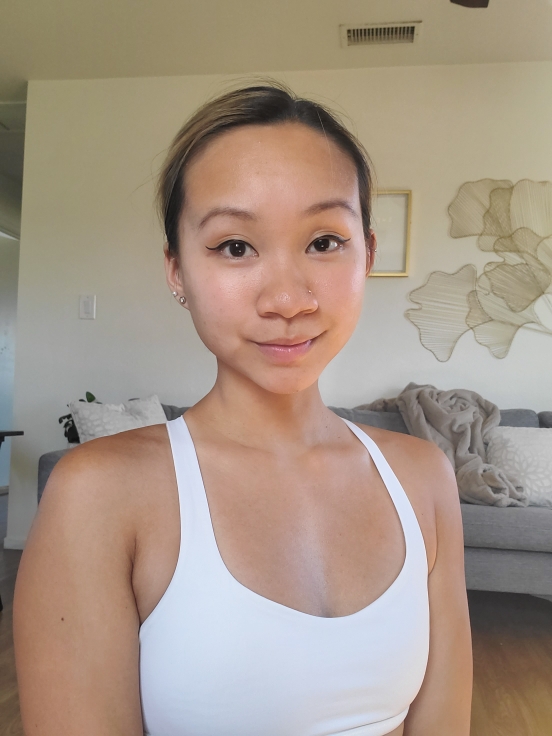
Fat loss gets overwhelming when it sounds like a full-time job.
Strength train 5 days a week. Hit 10,000 steps every day. Drink 80 oz of water. Track every bite. Sleep perfectly. Meal prep everything. Never miss.
Those habits can work, and for some people, they feel great. But they are not the starting point for everyone. Most people need a simpler plan that fits real life, not a routine that falls apart the second work gets busy, kids get sick, sleep gets messy, or motivation dips.
The goal is not to do everything at once. The goal is to build habits you can repeat long enough to see change.
This post breaks down the habits that supported my body fat loss journey, but in a more realistic way. Think of this as the “start here” version. Small, doable, and still effective.
This content is for general education only and is not medical advice. If you have a medical condition, history of disordered eating, or specific health concerns, talk with a qualified professional before changing your exercise or nutrition routine.

Start with the version you can actually repeat
The biggest mistake with fat loss is starting with the most intense version of the plan.
A more realistic approach is to ask: What can I do on a normal, imperfect day?
That question matters because fat loss comes from consistency over time. Not one perfect day. Not one intense week. Not a short burst of motivation.
If your current routine is all over the place, jumping straight into 10,000 steps, strict food tracking, 5 workouts, and perfect meals can feel exciting at first. Then it can become exhausting. Once one piece slips, the whole plan can feel like a failure.
Instead, build a baseline.
A baseline is the smallest version of the habit that still moves you forward. It should feel almost too simple.
For example:
Walk 2,000 to 4,000 steps instead of pushing for 10,000 right away
Add one extra glass of water instead of forcing 80 oz overnight
Go to bed 15 to 30 minutes earlier instead of trying to overhaul your entire night routine
Eat protein with each meal instead of trying to follow a perfect meal plan
Get 2 to 3 servings of fruits and vegetables daily instead of changing every food choice
These habits are not flashy, but they work because they lower the barrier to starting. Once they become normal, you can build from there.
The win is not doing the hardest version. The win is doing the repeatable version.
Move more without making exercise your whole life
Daily movement is one of the most underrated fat loss habits.
That does not mean every person needs to hit 10,000 steps a day. It also does not mean walking magically burns enough calories to replace nutrition, strength training, sleep, and recovery. But walking helps create more daily energy output, supports digestion, can improve mood, and often makes a fat loss phase feel less restrictive.
If 10,000 steps feels unrealistic, start smaller.
A great starting goal is 2,000 to 4,000 steps per day, especially if your current step count is low. That might look like:
A 10-minute walk after breakfast
Parking farther away at the grocery store
Walking during a phone call
Taking one short walk after dinner
Doing a few laps around the house when you have a break
Walking while your coffee brews or while lunch heats up
None of these require a gym. None of them require a perfect schedule.
Once 2,000 to 4,000 steps feels easy, move the target up slowly. Maybe 5,000. Then 6,000. Your body and schedule get time to adjust.
The same idea applies to workouts.
Strength training 5 days a week can be effective, but it is not the only option. If you are brand new or coming back after time away, 2 to 3 days per week can be a strong starting point.
Keep it simple:
Squat or leg press pattern
Hip hinge, like Romanian deadlifts or glute bridges
Push movement, like push-ups or chest press
Pull movement, like rows or pulldowns
Core movement, like planks or dead bugs
You do not need a complicated workout to build momentum. You need a plan you can repeat with good effort.
If all you can do this week is two short strength sessions and a few walks, that still counts. Progress does not require an extreme routine. It requires showing up often enough for your body to respond.

Build meals around protein, fruits, and vegetables
Food can feel like the most confusing part of fat loss, but the basics are simple.
A calorie deficit matters for fat loss. That means the body uses more energy than it takes in over time. But that does not mean every person needs to start by tracking calories or weighing food.
For a lot of people, a better first step is improving meal structure.
Start with protein.
Protein helps support muscle, especially if you are strength training. It also helps meals feel more filling. A simple goal is to have a protein source with every meal.
Protein options can include:
Eggs or egg whites
Greek yogurt or cottage cheese
Chicken, turkey, lean beef, or pork
Fish or shrimp
Tofu, tempeh, or edamame
Beans, lentils, or chickpeas
Protein powder if it helps fill a gap
This does not mean every meal needs to be high protein in a bodybuilder way. It means protein should have a spot on the plate.
A simple plate might look like:
Eggs, toast, and berries
Greek yogurt with fruit and granola
Chicken, rice, and roasted vegetables
Turkey wrap with a side of carrots
Salmon, potatoes, and a salad
Tofu stir-fry with rice and vegetables
Next, add fruits and vegetables.
Aim for 2 to 3 servings of fruits and vegetables per day as a starting target. More can be great, but this is a realistic place to begin.
A serving might be:
A banana with breakfast
A handful of berries in yogurt
Baby carrots with lunch
Spinach added to eggs
A side salad with dinner
Frozen vegetables mixed into rice or pasta
An apple as an afternoon snack
Fruits and vegetables add fiber, volume, vitamins, and minerals. They can make meals feel bigger and more satisfying without requiring a strict diet.
If your current intake is low, do not try to become a “perfect clean eater” overnight. Just add one piece of fruit or one serving of vegetables today. Then do it again tomorrow.
That is how habits become normal.

Make hydration and sleep easier before making them perfect
Water and sleep do not always get the same attention as workouts and macros, but they can make a huge difference in how fat loss feels.
When you are dehydrated, low on sleep, or running on stress, everything feels harder. Hunger can feel louder. Cravings can feel stronger. Workouts can feel heavier. Motivation can drop.
That does not mean water and sleep are magic fat loss tools. They are support habits. They make the main habits easier to follow.
If drinking 80 oz of water feels like too much, start with one extra glass.
That might mean:
One glass when you wake up
One glass before coffee
One glass with lunch
One glass during your workout
One glass before your evening walk
You can also keep a water bottle somewhere visible. Not because you need to obsess over ounces, but because reminders help.
If plain water feels boring, add lemon, cucumber, berries, or a zero-sugar flavor packet. Sparkling water can count too.
Sleep works the same way. You do not need a perfect bedtime routine to improve.
Start by going to bed 15 to 30 minutes earlier.
That might sound small, but over a week, it adds up. It also feels more realistic than suddenly trying to sleep two extra hours.
A few simple sleep habits can help:
Set a “start winding down” alarm
Put your phone across the room
Lower the lights before bed
Prep your clothes or lunch for the next day earlier in the evening
Keep caffeine earlier in the day if it affects your sleep
The goal is not perfection. The goal is to make tomorrow a little easier.
A well-rested version of you will usually make better choices than an exhausted version of you. That alone makes sleep worth protecting.
Use tracking as a tool, not a requirement
Food tracking can be helpful, but it is not required for everyone.
Some people like the structure. Tracking can show portion sizes, protein intake, patterns, and hidden calories. It can help remove guessing.
But for others, tracking feels stressful or unrealistic. If that is you, there are other ways to build awareness.
You can try:
Taking photos of meals for a few days
Writing down protein sources only
Using a simple hand portion method
Planning meals ahead without logging every bite
Checking whether each meal has protein, produce, and a satisfying carb or fat
A no-tracking plate could look like this:
Habit | Simple check |
Protein | Is there a clear protein source in the meal? |
Produce | Is there a fruit or vegetable included today? |
Hydration | Did I drink one extra glass of water? |
Movement | Did I get a short walk or some steps in? |
Sleep | Can I get to bed 15 minutes earlier tonight? |
This kind of tracking is less about numbers and more about awareness.
If you do choose to track food, remember that it is data, not a grade. A higher-calorie day is information. A missed protein goal is information. A weekend that felt harder than expected is information.
The point is to learn your patterns so you can adjust without shame.
Fat loss works best when the plan supports your life instead of making your life feel smaller.

Stack the habits instead of starting all at once
Trying to change everything at once can work for a few days. Then real life shows up.
A more sustainable plan is to stack habits one at a time.
Pick one or two habits for the next 2 weeks. Once they feel easier, add another.
Here is one realistic progression:
Weeks 1 and 2
Walk 2,000 to 4,000 steps per day and drink one extra glass of water.
Weeks 3 and 4
Keep walking, keep the water habit, and add protein with each meal.
Weeks 5 and 6
Add 2 to 3 servings of fruits and vegetables per day.
Weeks 7 and 8
Start going to bed 15 to 30 minutes earlier most nights.
Weeks 9 and beyond
Add 2 to 3 strength workouts per week if you are ready.
This is slower than a crash plan, but it is more realistic. It also gives you proof that you can keep promises to yourself.
That confidence matters.
If you miss a day, do not restart the whole plan. Just return to the next meal, next walk, or next bedtime. A missed habit is only a problem if it turns into quitting.
Think in averages.
One lower-step day does not erase a week of movement. One low-protein meal does not ruin progress. One late night does not mean you failed.
The body responds to what you do most of the time.
Keep the habits simple enough for busy days
A good fat loss plan needs a busy-day version.
Not every day will include a full workout, a perfect meal, a long walk, and an early bedtime. That is normal. The question is what you do when the ideal plan is not possible.
Here are simple backup options:
No time for 10,000 steps Take a 10-minute walk.
No time to cook a full meal Make Greek yogurt with fruit, a turkey sandwich, eggs and toast, or a protein smoothie.
No time for a workout Do 10 minutes of squats, push-ups, rows, and planks.
Forgot to drink water Have one glass now.
Stayed up too late Get back to your usual bedtime tonight.
This is where people often underestimate the basics. They seem too small to matter, but they keep you from falling into the all-or-nothing cycle.
The “minimum” version of the habit keeps the identity alive. You are still someone who walks. Someone who prioritizes protein. Someone who drinks water. Someone who comes back after an imperfect day.
That is powerful.
The real goal is a life you can maintain
Simple fat loss habits are not about doing the least possible. They are about doing what you can repeat long enough to get results.
If your long-term goal is fat loss, start with the basics:
Move more than you do now
Eat protein with each meal
Add fruits and vegetables daily
Drink a little more water
Sleep a little more
Strength train in a way that fits your schedule
Use tracking only if it helps
You do not need to earn your way into fitness by suffering through an unrealistic routine. You can start small and still make meaningful progress.
Pick one habit today. Not five. Not ten. Just one.
Take the walk. Add the protein. Drink the water. Get to bed 15 minutes earlier.
Then repeat it tomorrow.
If you need support in building healthy habits and reaching your fitness goals, contact me here!
For more Move With Marie updates, sign up for my newsletter!
You can also follow Move With Marie on social media:
Platform | Handle |
TikTok | |
YouTube | |

Comments